
Laser Treatment in Dubai
Treat pigmentation, rosacea, acne scars, and wrinkles with four laser technologies matched to each concern.
2,100+ 5-Star Reviews
Treatment Time
30–120 minutes
Downtime
Varies by device
Results Duration
Long-lasting
Starting Price
420 AED
Different skin concerns need different lasers. We use four: Dual Yellow, CO2, IPL, and Blink. Below is the typical pairing for each concern, with deeper detail in the sections that follow.
- Pigmentation, rosacea, melasma, broken capillaries → Dual Yellow Laser. Targets pigment and blood vessels in one pass; no downtime.
- Deep wrinkles, acne scars, rough texture → CO2 Laser. Fractional resurfacing for collagen renewal; 7–14 days recovery.
- Sun damage, uneven tone (face and body) → IPL (Intense Pulsed Light). Broad-spectrum light for gradual tone correction.
- Concentrated dark spots, post-acne marks → Blink Laser. Focal pulses break down distinct pigment.
These lasers treat skin concerns. For hair removal, see laser hair removal.
Dual Yellow Laser
Best for
Rosacea and persistent redness, broken capillaries, melasma, post-acne pigmentation, mixed vascular-pigment concerns
How it works
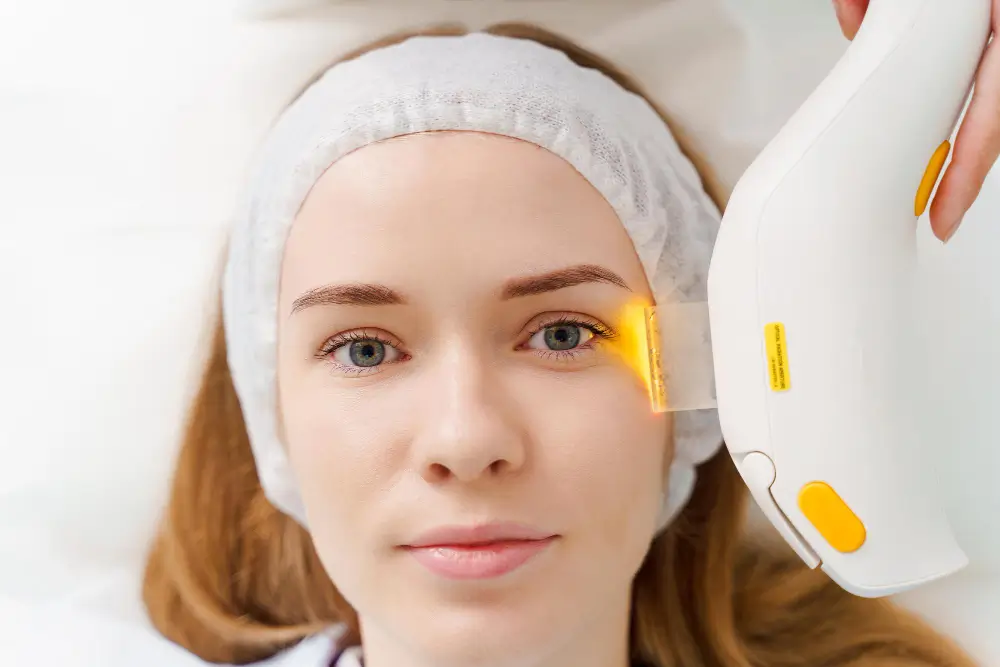
The Dual Yellow Laser uses two simultaneous wavelengths: one targets blood vessels (hemoglobin), the other targets pigment (melanin). It’s non-ablative, with no peeling or downtime. Treatment is suitable for the face, neck, and chest.
Pricing
Starting from 450 AED. Final pricing depends on the area treated and the number of sessions in your plan. Your doctor will provide a quote after consultation.
Typical session plan
For redness and vascular concerns, one to two sessions typically deliver visible reduction. For melasma or pigmentation, plan for 3–5 sessions spaced three to four weeks apart. Maintenance every six to twelve months helps sustain results.
Recovery
Mild redness or warmth may appear for a few hours after treatment. There’s no peeling or downtime. Makeup is usually fine the following day.
For deeper coverage of Dual Yellow including device specifics and per-condition protocols, see our Dual Yellow Laser page.
CO2 Laser

Best for
Deep wrinkles, boxcar and rolling acne scars, severe sun damage, rough skin texture
How it works
The CO2 wavelength vaporizes thin columns of skin and triggers collagen renewal in the surrounding untreated tissue. The fractional pattern means only a percentage of skin is treated per session, with faster healing than older ablative lasers. CO2 can be used on the face but not the neck, where the skin is too thin for ablative resurfacing.
Pricing
- Single area (e.g., around the eyes or mouth): 505 AED
- Full face (excluding eye area): 1180 AED
- Full eye area: 1180 AED
- Full face + eyes: 1800 AED
- Per lesion for moles, skin tags, milia: from 110 AED
For per-lesion detail, see mole, skin tag, and milia removal.
Typical session plan
One session for deep wrinkles or single-area resurfacing. For moderate-to-severe acne scarring, 3–5 sessions spaced six to eight weeks apart, often combined with focal techniques for ice-pick scars. For multi-modality acne scar plans including non-laser options, see our acne scar treatments.
Recovery
Expect seven to fourteen days of peeling, redness, and skin sensitivity. Strict SPF and gentle barrier care throughout. Your doctor will provide specific aftercare instructions.
For deeper coverage of CO2 laser including before/after expectations and single-area versus full-face decision factors, see our CO2 Laser page.
IPL (Intense Pulsed Light)

Best for
Sun damage and sun spots, uneven skin tone, mild pigmentation, dullness, redness from past acne or rosacea
How it works
IPL uses intense pulsed light across multiple wavelengths at once, rather than a single laser beam. The energy targets melanin (pigment) and hemoglobin (blood vessels) within the upper skin layers. It’s non-ablative, with no surface damage and no peeling. IPL works on the face, neck, chest, and arms.
Because IPL covers a broader range of mild concerns at once rather than focusing on one issue, it suits general tone correction. For deeper texture work, focal dark spots, or active rosacea, your doctor may recommend CO2, Blink, or Dual Yellow instead.
Pricing
Starting from 450 AED. Final pricing depends on the area treated and the number of sessions in your plan.
Typical session plan
A course of 3–5 sessions spaced three to four weeks apart. Visible improvement in tone and clarity builds gradually across the series. Maintenance every six to twelve months helps sustain results, particularly with ongoing sun exposure.
Recovery
Temporary redness for a few hours after treatment. Treated pigment may darken briefly (one to three days) before flaking off naturally. Most people resume normal skincare within 24 to 48 hours.
IPL is sometimes called BBL (Broadband Light, Sciton’s brand name for IPL technology) or photofacial in other markets. The mechanism is the same.
Blink Laser

Best for
Distinct dark spots and sun spots, post-inflammatory hyperpigmentation (PIH), uneven tone with concentrated pigment areas
How it works
Blink delivers short, high-energy pulses that fragment concentrated pigment particles within the skin. Once fragmented, the pigment is cleared naturally by the body over the following weeks. The Q-switched mechanism is gentler on surrounding skin than ablative lasers. Blink is primarily used on the face; selective body areas can be assessed in consultation.
Unlike IPL’s broad-spectrum approach, Blink concentrates its energy on specific pigment spots, making it focal rather than diffuse. For general tone correction across larger areas, IPL is typically a better fit; for isolated dark spots or concentrated PIH, Blink is more targeted.
Pricing
Starting from 420 AED. Final pricing depends on the area treated, lesion count, and the number of sessions in your plan.
Typical session plan
For isolated dark spots, 1–3 sessions usually deliver visible reduction. For diffuse post-acne marks (PIH), plan for 5–6 sessions spaced three to four weeks apart. Results develop over weeks as fragmented pigment clears.
Recovery
Mild dryness or light peeling at treated spots over three to seven days. Treated pigment may darken briefly before lightening. Strict SPF is essential throughout. Your doctor will provide specific aftercare instructions.
Q-switched technology is sometimes marketed as “laser toning” or compared to Pico Laser. Picosecond and Q-switched mechanisms differ, though both target concentrated pigment.
What to Expect During Treatment
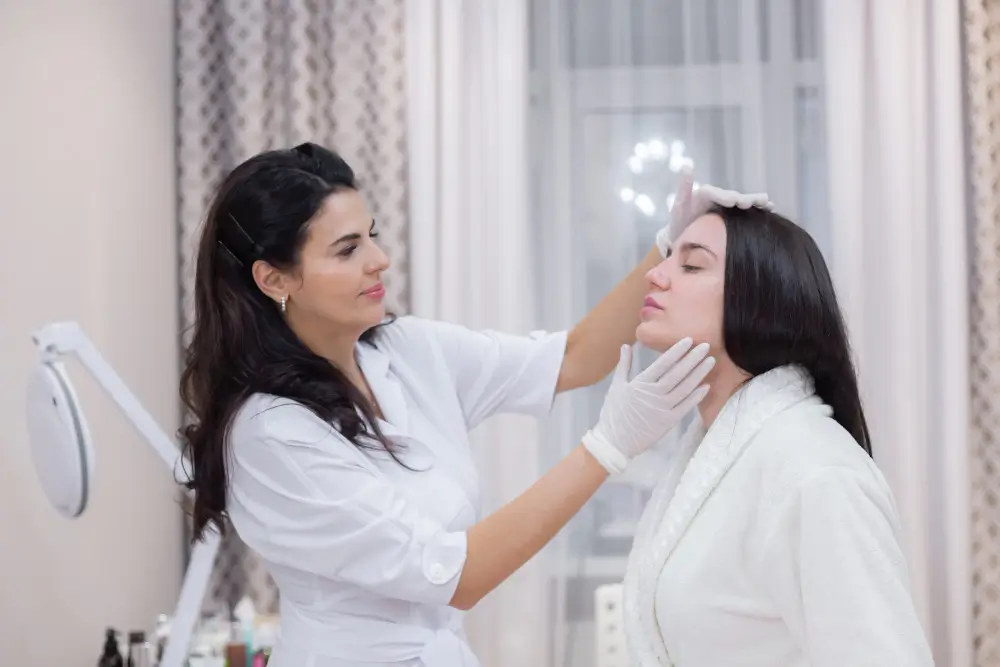
Your visit starts with a consultation. Your doctor examines your skin, reviews your concerns and medical history, and recommends the most appropriate device and settings.
Once the plan is confirmed, the treatment area is cleansed. Numbing cream is applied if needed. Gentler treatments like Dual Yellow Laser and IPL usually don’t require numbing. For CO2 resurfacing, numbing sits for around 30 minutes before treatment begins.
During the session, controlled pulses of laser or light energy are delivered to the targeted areas. Most sessions take 30 minutes to 2 hours depending on the device and area being treated. You may feel mild warmth, tingling, or a brief snapping sensation.
Afterward, calming skincare is applied and you’ll receive aftercare instructions specific to the device used.
What to Avoid After Laser Treatment
Recovery timelines depend on the device and are covered in each device’s section above. These general guidelines apply across all laser treatments.
- Apply broad-spectrum SPF 50+ daily and stay out of direct sunlight. This is the single most important step.
- Avoid retinoids, AHAs/BHAs, and physical scrubs until fully healed.
- Don’t pick, peel, or scrub treated skin. Let it shed naturally.
- Skip swimming pools and hot tubs for at least seven to ten days after ablative treatments.
- Use gentle, fragrance-free moisturizers to support the skin barrier.
Is Laser Treatment Safe for Darker Skin Tones?
Some lasers carry a higher risk of pigmentation changes in deeper skin tones, which is why device selection matters. Not every laser is appropriate for every skin type.
Dual Yellow Laser is generally well-suited for Fitzpatrick III–IV skin types. IPL can be used cautiously in lighter-to-medium skin tones with appropriate filter settings, but is not suitable for very dark skin. CO2 laser can be used across a range of skin types when conservative settings are combined with pre-treatment pigment preparation, test spots, and strict sun avoidance. The risk of post-treatment darkening is higher in darker skin even with these precautions.
Your doctor will assess your skin tone during consultation and recommend the device and settings that minimize risk. If a particular laser isn’t suited to your skin, we’ll tell you directly rather than proceed.
Who Should Avoid Laser Treatment
Laser treatment may not be suitable if you:
- Are pregnant or breastfeeding
- Have active acne, infections, or open wounds in the treatment area
- Have used oral acne medication within the last 6–12 months (for ablative treatments)
- Are prone to keloid or hypertrophic scarring
- Have had significant sun exposure or tanning in the past 2–4 weeks
Laser treatment also cannot correct skin laxity or sagging. If looseness is your primary concern, your doctor may recommend a lifting treatment instead.
Why Choose Dermanostics for Laser Treatment

Your results depend on the technology used and the expertise behind it. At Dermanostics, a dermatologist builds your treatment plan. They match one of four devices to your skin and goals: CO2, Dual Yellow Laser, IPL, or Blink. Before anything begins, your doctor explains the approach, expected results, and aftercare.
We have 2,300+ five-star reviews, with English-speaking doctors and staff. Consultations are complimentary, so you can discuss your concerns before committing to any treatment plan.
Frequently Asked Questions
How do I know which laser is right for my skin?
Your doctor will assess your skin tone, concerns, and goals during a consultation and recommend the most appropriate device. The routing list at the top and the device sections above can help you narrow it down before your visit.
Is laser treatment painful?
Most treatments are well tolerated. CO2 laser may feel warm or stinging, but numbing cream and cooling are applied beforehand. Dual Yellow Laser feels like mild warmth. IPL and Blink may produce a brief snapping sensation.
Can laser thin the skin?
No. When performed correctly, laser treatment stimulates collagen production, which strengthens the skin over time.
Can laser be combined with other treatments?
Yes. Many clients pair laser with anti-wrinkle injections, dermal fillers, facials, or skin boosters. Your doctor will guide you on safe timing and treatment order.No. When performed correctly, laser treatment stimulates collagen production, which strengthens the skin over time.
How long do results last?
CO2 laser results can last several years with consistent sun protection and a stable skincare routine. Dual Yellow Laser, IPL, and Blink provide gradual improvements that benefit from maintenance sessions every six to twelve months.
What should I avoid before treatment?
Avoid tanning, retinoids, AHAs/BHAs, and exfoliating treatments for several days before your appointment. If you have a history of cold sores in the treatment area, let your doctor know so preventive medication can be prescribed.
Can I get laser treatment during a visit to Dubai?
Yes. Non-ablative treatments like Dual Yellow Laser, IPL, and Blink have minimal downtime, so they fit comfortably into a short trip. CO2 laser requires seven to fourteen days of recovery, so plan accordingly. Your doctor can advise on timing during your consultation.
I’ve been searching for Fraxel, Fotona, or Clear + Brilliant. Do you offer these?
These are brand names for different laser and light-based platforms. While each has its own technology, our four devices cover a similar range of skin concerns. Your doctor can confirm which of our devices is the closest match during consultation.
Schedule Your Free Laser Consultation
Not sure which laser treatment suits your skin? Start with a consultation. Your doctor will assess your concerns, explain the options, and recommend a personalized plan.